This tutorial will teach you how these recurring payments work, and the values they bring into the lives of growing companies.


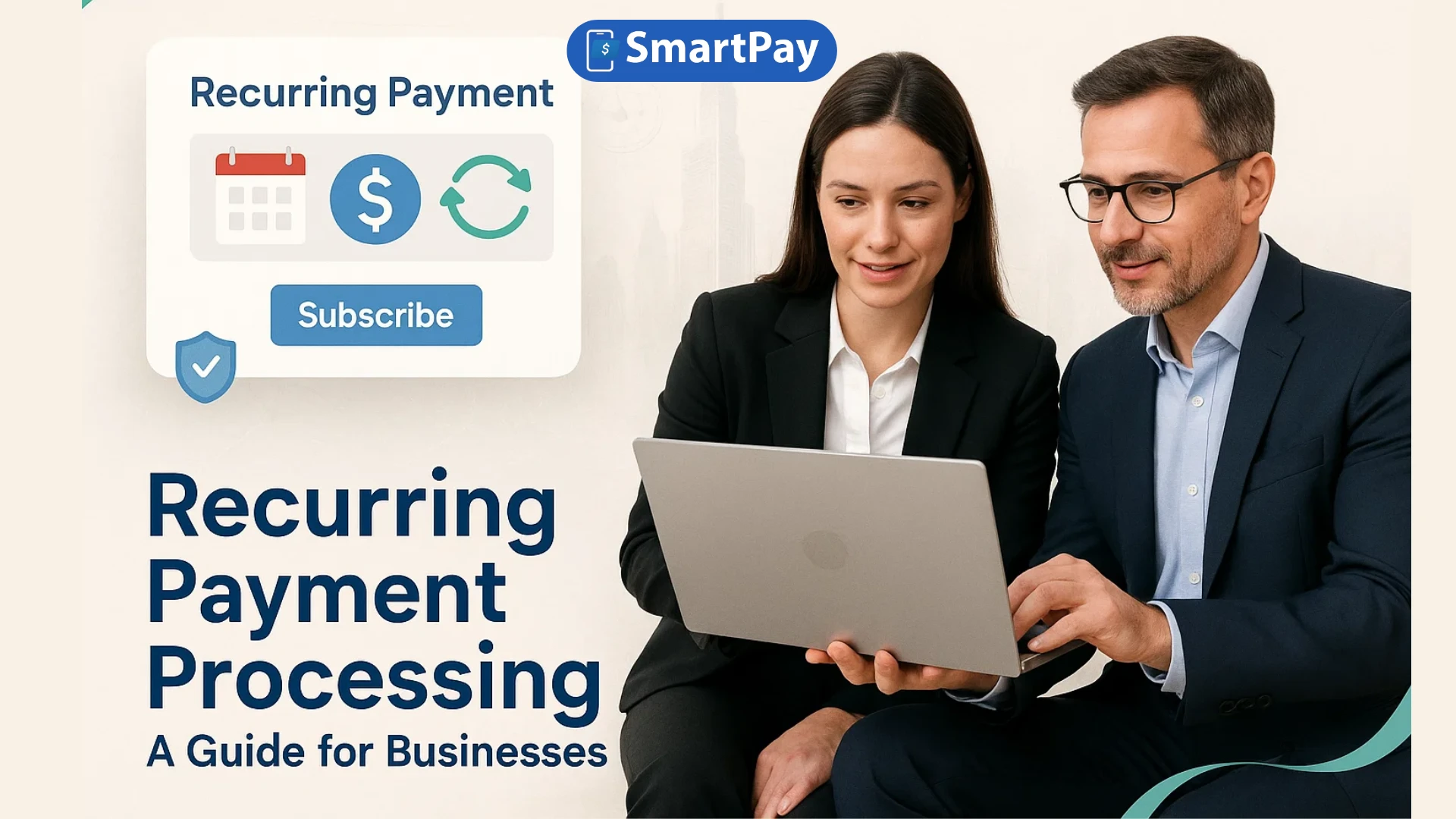
Subscription software, membership, or recurrent service offerings will surely require payment acceptance on scheduled intervals. A company may guarantee a steady flow of reliable revenue and save operating expenses by creating these automated billing systems. This tutorial will teach you how these recurring payments work, the tools necessary for them, how to manage and cancel them, and the values they bring into the lives of growing companies.
Scheduled billing charges the customer automatically, either daily, every month, or yearly. The business will proceed to charge without the buyer having to save the information after the consumer authorizes the transaction to be repeated. By offering advantages including consistency, efficiency, and ease, this method simplifies interactions between businesses and customers.
It means that the payment will be done after certain intervals with stored billing details. Such agreements guarantee continuity in the service and a steady cash flow.
Some advantages of accepting such a payment model include:
Let’s examine the inner workings of this automated process:
Payment gateways or subscription platforms that ensure security and compliance, such as PCI-DSS, typically fuel this procedure.
Depending on your clientele and business style, you can choose from a variety of billing options:
| Type | Description |
| Subscription services | are perfect for SaaS, memberships, and streaming. automates renewals with ease. |
| Plans for installments | When used in services or e-commerce, split the total into smaller sums and distribute them over a few predetermined dates. |
| Usage-based or utility-based models | Cloud or telecom services frequently charge based on usage. |
| Hybrid strategies | Flat rates are changed to use pricing. |
| Programs for donors | Give charities and nonprofits a practical means of creating dependable revenue streams. |
This process is supported, with variations, by many third-party platforms. Some of the differences include:
| Service Type | Functionality Highlight |
| Payment processors | Store data, trigger charges, and manage errors. |
| Merchant accounts | Handle banking, settlement, and transactional data. |
| Direct bank debits | pull funds straight from checking accounts-suitable for B2B services. |
| ACH solutions | Support low-fee bank transfers within the United States banking system. |
| Subscription management tools | can develop flexible billing models, free trials, and plan changes. |
| CRM-integrated platforms | provide a merged payment history with the customer data, contributing to tracking retention. |
Fashion the right combo according to the kind of model you’re dealing with and your tech stack.
PayPal usually has a good hype for convenience when it comes to paying on time. This is how it works:

It’s beneficial for companies with digital goods, freelance services, or revenue streams driven by donations.
You may:
With added features like retry logic and invoice integration flexibility, PayPal for recurring payments is considered a very solid option for small to medium enterprises.
A recurring card payment or subscription payment occurs whenever a credit or debit card is used for payments that repeat regularly, where the billing is stored and saved. This method has become a common practice for e-commerce stores, fitness training centers, digital media providers, and SaaS tools.
These service providers resorted to tokenization so that they do not have to keep the physical cards on file.
Sometimes customers need to stop automatic payments. You should make stopping and starting the payments easy and clear in order to earn trust from the company.
Define search terms to reduce misunderstandings as to what they generally imply:
| Term | Clarified Explanation |
| What are recurring payments | Stands for continuous automatic billing from the company. |
| What is a recurring payment? | The transaction is regularly deducted from previously stored payment credentials. |
| What does recurring payment mean | Indicates that customers will receive invoices at fixed intervals. |
| What does a recurring payment mean | A grammatically incorrect but popular search phrase asking the same. |
| Meaning of recurring payment: | This is the meaning attached to the automatic execution cycles for a charge. |
| Meaning of recurring payments: | This is the same as above, yet used in a plural context. |
| Recurring transactions mean: | Referring to more than a single periodic bill in a financial system. |
| Recurring transaction meaning: | This refers to one of such transaction types. |
| Automatic payments: | An automated payment representing a deduction without needing to obtain approval from a customer. |
| Automatic monthly payments | These are auto-debits that occur rather as every thirty calendar days or per calendar month. |
SaaS Business
A software firm charges $29.99 per user per month. Users pay once on signing up, and then will be billed on the same date every month until the date of cancellation.
Nonprofit
Nonprofit needs registered supporters to donate automatically $10 every month. The money gets automatically deducted from the donor’s card.
Gym Membership
Fitness charges amount $40 every month. A cancellation should be done at least 10 days before the next cycle of charging.
Scheduled billing is the tried and true way to have more predictability with your financials and convenience for your customers. Customers can use recurring payments on PayPal, third-party tools, or a custom-built system; however, the model is wholly supportive of an extended client relationship and company profits. Just ensure your platform has easy cancellation, safe storage, and flexible billing intervals.
1. What is recurring payment processing about?
A method used by businesses to automatically charge customers at regular intervals using previously kept payment credentials.
2. If I want to cancel the automatic billing plan.What’s the plan?
A customer has two choices: he can either log in to his account or contact the business directly. In PayPal, cancellation has to be effected by going to the subscriptions section.
3. Are these billing systems secure?
Yes, these modern payment processors encrypt sensitive data, tokenize it, and have really tough rules to conform to.
4. Can customers change their billing schedule?
Yes, customers can schedule their bills because most of the platforms have settings for plan switching, change in billing methods, and subscription pausing options in the user dashboard.
5. Will I be alerted before each charge?
It depends on the configuration; you might receive an email or alert on the app about the renewal phase before it is actually renewed.
