MOTO payment in real time, ensuring that customers are smoothly up and running with this method when it is applied widely for a wider reach.


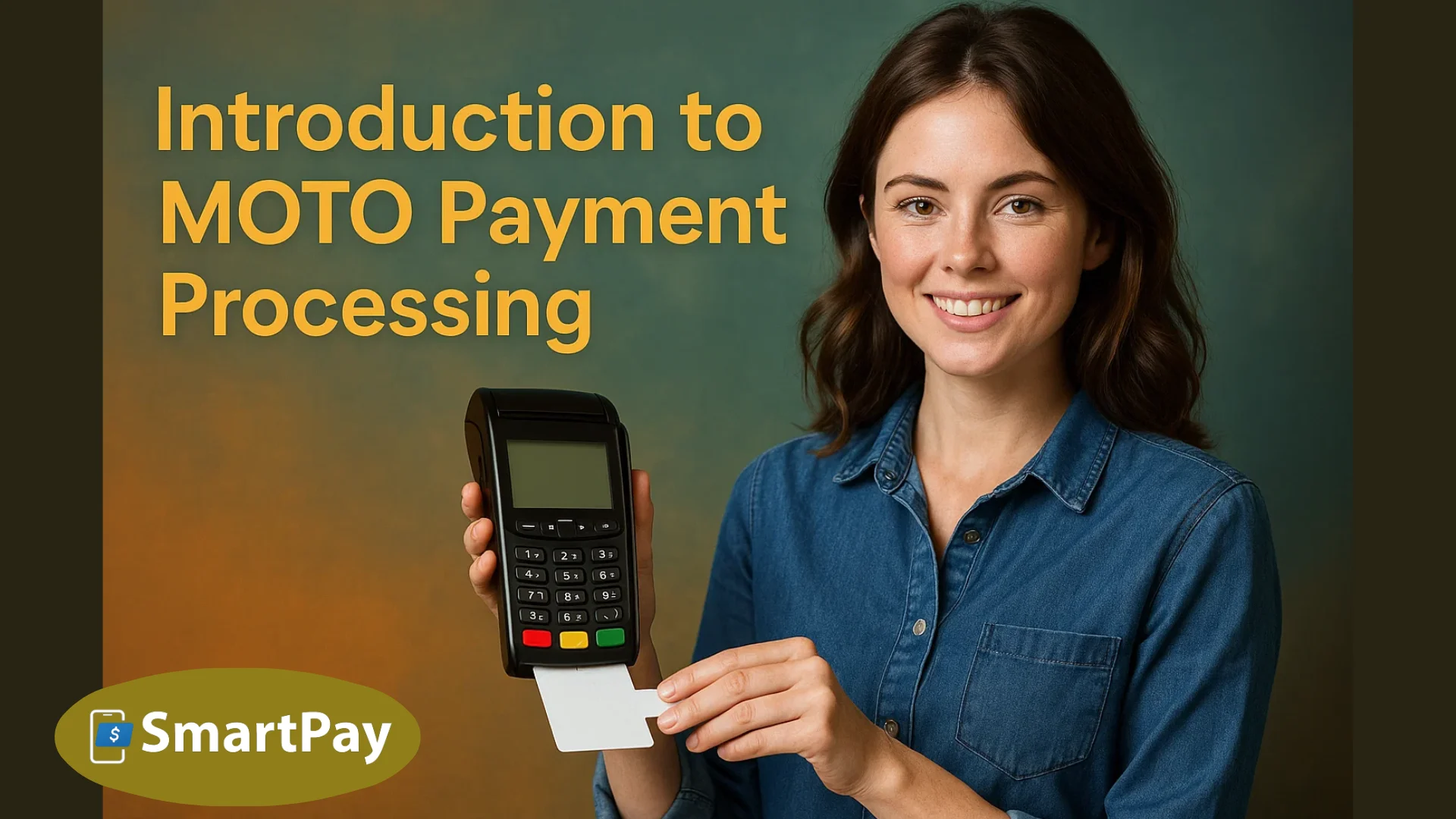
Mail Order or Telephone Order means that the business accepts card payments in non-face-to-face situations. One example is remote card payment, which allows merchants to process cards using an internal system rather than an external card acceptance terminal in such situations as those that happen over the telephone or through the post. Since they do not involve a personal interaction when purchased, they become very useful when that particular touch is impossible in such an event. Companies can reach those customers who will not be visiting the company, for example, online catalogue designs, call center services, and task sales of hospitality reservations. It is only in the case of virtual terminals and secure payment gateways, the merchant would be able to capture and authorize the MOTO payment in real time, ensuring that customers are smoothly up and running with this method when it is applied widely for a wider reach.
The customer pays by giving their payment detail, usually via credit or debit cards, which include card number, expiry date, CVV code, billing address, and order details over the phone or a faxed form. Most times, phone orders are preferred because they’re faster and more definitive.
The merchant introduces the details of the consumer into a MOTO payment processing platform, normally via either a virtual terminal (Internet interface) or a physical terminal set up for card-not-present transactions.
The system transmits transaction data to the payment gateway, which transmits the request for MOTO payment authorization to the customer card issuer.
Funds become authorized and placed on hold for eventual capture. Throughout the day or at specified times, approved transactions are then batched for settlement, and the funds are transferred to the account of the merchant.
| Element | Description |
| Virtual Terminal | A browser-based interface that allows merchants to email card data and make payments, all without needing readers or other hardware. |
| Payment Gateway | The secure channel routing transaction data from the merchant, acquiring bank, card network, and issuing bank. It also carries responses such as approval, decline, or error codes. |
| Integration | Streamlining payment processing systems can integrate into the back office with systems like ERP, CRM, or POS, thereby affording streamlined operations, reporting, and order management. |
| Security & Tools | It is then possible to include AVS, CVV checks, encryption, fraud scoring, reporting dashboards, and audit trails for transaction tracking and analysis. |
Handling sensitive card information in a remote way proves risky, and thus, strong security becomes mandatory.

MOTO transactions are more susceptible to fraud than face-to-face transactions. Common risks associated with MOTO transactions are identity theft, stolen cards, and the risk of chargeback. For Reducing MOTO payment fraud, such risks, take the following measures:
Strong data protection practices maintain user trust and PCI Compliance:
Top-tier providers offer scalable solutions tailored to business size and industry. Features often include:
When choosing a Remote card payment processor, consider the following features for Secure MOTO payments:
Remote card payment processing is critical for companies doing transactions remotely. Merchants can receive payments safely and efficiently without face-to-face interaction using virtual terminals, telephone credit card processing, and a secure MOTO payment gateway. On the downside, while MOTO Payment provides new channels for customer service and global outreach, it also increases risks. Hence, MOTO payment compliance, virtual terminal security, and MOTO payment fraud prevention are vital components of an effective implementation. Provided the right vendor and best practices are followed, MOTO merchant services offer flexibility, security, and an efficient way to enhance payment operations.
Remote card payment processing is what exactly?
MOTO means Mail Order / Telephone Order. That would give rise to possibilities of businesses accepting the payment in this card-not-present environment by entering the card data of a customer into the secure applications once it is received over the phone, fax, or mail.
Payment via a virtual terminal-how safe is it?
Virtual terminals can be highly secure if they are configured correctly. These would include the use of encryption and tokenization, and generally, they would be PCI DSS compliant. However, because the introduction of data is performed manually, there is a necessity to train staff as well as monitor closely all transactions.
What charges or fees apply to?
However, many times, MOTO transactions have an interchange fee that is higher than non-MOTO Payment ones because of the increased probability of the transaction being erroneous or fraudulent. There are some charges usually paid by the merchant, such as virtual terminal access charges, payment gateway service charges, fraud prevention tools, and compliance support.
Ways to Reduce Fraud in Remote Card payment?
An application of the tools AVS and CVV, along with enforcement of fraud scoring, checking of orders that are suspicious, and follow-up of combined transaction patterns, forms part of this process. Train staff, create logs, and rely on audit trails. IP geolocation and velocity checks would reduce some of these failed attempts even more.
