Learn how Merchant Non Cash Adjustment Fee works, its benefits, and how it helps businesses recover credit card processing costs.



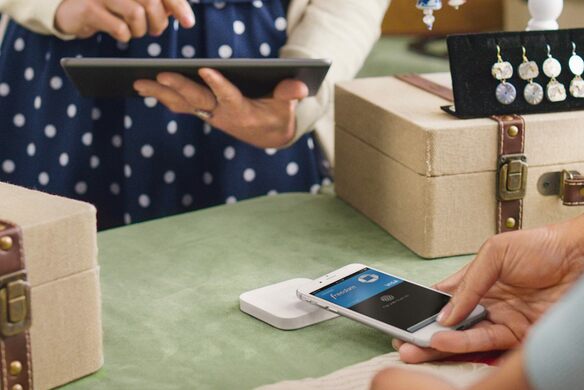
The free cash adjustment fee is a small charge added when customers choose to pay by card instead of cash. It reflects the extra processing costs businesses incur for accepting card payments. Rather than increasing prices for all customers, merchants may apply this fee only to those who pay by card. For example, if an item is priced at $50, a card payment with a cash adjustment fee would bring the total to $51.50, while customers paying with cash would still pay the original $50.
A free cash adjustment program helps merchants apply these fees automatically through their respective payment systems. Typically, the process works as follows:
These effects will serve as an unambiguous avenue for recovering operating expenses while simultaneously maintaining pricing transparency.
When a customer pays with plastic, an Electronic payment due to the credit card line appears on the receipt. This charge is not hidden-it is very visible as a separate amount. It is typically calculated at between 2% and 4% and varies based on merchant settings and card brand rules.
If a customer buys a product worth $100 and there is a 3% charge for using the card:
This small difference allows a company to keep the listed price lower while reimbursing itself for swipe costs.
Electronic payment dues processing is really the backend system that deploys and collects these charges. POS terminals or virtual payment platforms are programmed to:
This whole process is automated to ensure maximum accuracy and compliance with card network policies.
A simple illustration of how this works in practice goes this way:
|
Item |
Amount |
|
Product Price |
$100.00 |
|
Fee for Card Use (3%) |
+$3.00 |
|
Total Paid (Card) |
$103.00 |
|
Customer Pays in Cash |
$100.00 |
If the non-cash adjustment fee is explained properly, customers know they are charging themselves a small premium for the convenience of using a card. This type of marking is fair, transparent, and predictable.
Let us take a look at cash discount vs. non-cash adjustment:
Legally, both could work in many states of the USA, but careful regulation is a must for them in order to abide by the laws of the payment networks. Electronic payment charge Surcharge
When improperly applied or referred to as an Electronic payment dues surcharge is the time when a merchant tries to apply extra costs to a credit card payment for services rendered after the transaction has begun, or else on the assumption that these costs have been revealed to a potential customer before any commitments were made towards purchase.
In some U.S. states surcharge is prohibited or illegal if not properly disclosed before the sale. If the merchant imposes a card-use fee without proper signage or disclosures, that may be an offense.
To maintain compliance:
From a business viewpoint, merchant Electronic payment charge is a great strategy. It enables store owners to recover costs associated with the use of cards without raising base prices for every customer. The businesses can:

It is also important that the merchants train staff on how to explain the fee and use systems that handle it legally and efficiently.
Upon that, all the card networks would certainly include the aforementioned, that is, Visa, Mastercard, American Express, and Discover. The things businesses should include regarding it:
It is worth checking all the local and state law compliance before proceeding with the adjustment strategy of card pricing.
Here is a snapshot of benefits and possible cons directed to the business, including:
Advantages
Disadvantages
These are the steps to properly apply this strategy:
With a well-managed payment program, you can control losses generated by processing without resentment-
Imagine a fast-casual restaurant wants to reduce the costs of accepting cards.
This makes it fair in pricing for all, but reduces the burden of swipe fees on the business.
The Electronic payment fee has come into vogue as a way for merchants to cope with ever-increasing card fees without raising prices across the board. In a manner that is exemplary and honest, this tactic shifts the cost burden to the card user, where the expense truly belongs.
It is important to maintain proper procedures, comply with card brand guidelines and all local laws, and be upfront with your clients. When these fundamentals are followed, it becomes an excellent way to keep your profits in this cashless economy while being sustainable.
No. Maine and Massachusetts, among other states, restrict or ban this Merchant Non Cash Adjustment . Always check the local laws.
No. Most card networks do not allow this fee for debit or prepaid card payments.
Typically, 3% is the maximum allowed by Visa, Mastercard, and others.
Maybe. Some customers do not like extra fees. Clear signage and honest messaging could alleviate some frustration.
Yes, your POS Merchant Non Cash Adjustment ought to support implementing dual pricing and showing this fee separately on the receipt.
